
Order Now · Ships Spring 2026
Melissa officinalis (Lemon Balm)
Melissa officinalis (Lemon Balm)
Soft lemon-scented leaves for calming teas, pollinators, and gentle everyday herbal traditions.
📦 Shipping is charged at real carrier rates.We don’t mark up shipping—costs reflect distance from our nursery and careful plant packing.
🌱 6-plant minimum per order — mix & match any varieties
📦 Ships in a 2⅜” square x 3¾” deep band pot — well-rooted & ready to plant
Couldn't load pickup availability
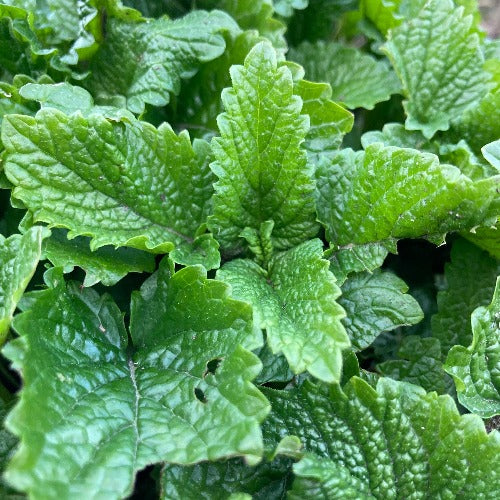
Lemon balm is a classic herb loved for its fresh lemon fragrance, soft green foliage, and generous growth. When brushed or harvested, the leaves release a clean citrus aroma that carries easily into teas, syrups, desserts, and herbal blends.
This herb is also deeply valued in traditional herbal use, often grown for calming teas and everyday wellness blends. In the garden, lemon balm is a favorite of bees and beneficial insects, making it a beautiful and useful addition to pollinator plantings. It is also commonly planted in areas where chickens forage, as they enjoy moving through its soft, fragrant growth.
Lemon balm grows easily and quickly, forming a leafy clump that responds well to regular harvesting. With sun, moisture, and room to grow, it becomes one of those plants you reach for again and again.
BEST USES
- Herbal teas and infusions
- Fresh and dried culinary use
- Pollinator gardens
- Chicken gardens and foraging areas
- Medicinal and wellness gardens
GROWING NOTES
- Plant type: Herbaceous perennial
- Growth habit: Bushy, spreading
- Sun: Full sun to part shade
- Soil: Well-drained soil
- Water: Moderate, prefers even moisture
- Hardiness: Generally hardy in many climates
Lemon balm is easygoing and forgiving. Regular harvesting keeps plants full and productive and helps manage their natural tendency to spread.
SIZE & DETAILS
- Height × Width: ~2–3 ft. × 2 ft.
- Foliage: Bright green, soft-textured
- Fragrance & flavor: Strong lemon scent and taste
- Pollinator value: High
🚚 Shipping & Pot Size
Plants ship in 2⅜” square × 3¾” deep band pots.
Size may vary by species and season, but every plant is well rooted and ready to grow in its new home.
Chickens enjoy foraging around lemon balm, and many growers plant it nearby as part of a diversified, living landscape.
TRADITIONAL & CULTURAL USES
Melissa officinalis has been treasured for centuries in European, Mediterranean, and monastic herbal traditions. It was grown in monastery gardens and household plots for:
- Calming and uplifting teas
- Emotional and nervous-system folk traditions
- Digestive blends and after-meal teas
- Scenting rooms and herbal waters
- Supporting rest and ease
It was often called the “herb of gladness,” believed to bring comfort to the heart and spirit.
Today, lemon balm continues to be loved for its gentleness—perfect for families, tea gardens, and anyone wanting to grow a plant that feels truly nurturing.
WHY YOU’LL LOVE IT
- Soft lemon scent and flavor
- One of the best plants for bees
- Long history in traditional herbal use
- Perfect for tea gardens
- Easy, forgiving, and generous
PAIRS WELL WITH:
- Lemon Verbena – bright citrus harmony in teas
- Chamomile – gentle floral balance
- Lavender – calming aromatic blends
- Mint – refreshing and digestive-friendly
- Rose – soft, romantic tea blends
- Anise Hyssop – sweet, honeyed note
Traditional use information is shared for educational purposes only and is not medical advice.
POT SIZE: 2⅜” square x 3¾” deep band pot
Share
What to Expect With Your Plants
What size plants will I receive?
Most plants ship in 2 3/8” x 3 3/4” band pots—ideal for healthy root growth.
Top growth varies by variety and season, but every plant arrives well-rooted, actively growing, and ready to plant.
Grown naturally without artificial heat or lights, our plants are hardy, adaptable, and ready to thrive in real garden conditions.
When will my plants ship?
We schedule plant orders based on your area’s average last frost date and when each plant is truly ready to ship. You’ll receive an email with your estimated ship date once your order is scheduled.
Orders ship Monday–Wednesday via UPS or USPS (2–3 day service), so your plants arrive before the weekend and spend less time in transit. Shipping begins in spring—usually mid-April—when weather and plant health align, so your plants arrive strong, well-rooted, and ready to thrive.
Do you guarantee your plants?
We stand behind our plants and our packing process. While we can't control weather or how plants are cared for after arrival, we do guarantee that your plants will arrive healthy and in good condition. If there's an issue, just reach out and we're happy to help.
Are your plants inspected for plant health and disease?
Yes. Our nursery is inspected at least twice each year by the Oregon Department of Agriculture and meets state plant health and disease standards.
Why does shipping cost what it does for live plants?
Shipping live plants requires careful packaging, seasonal timing, and fast transit to ensure they arrive healthy.
Our shipping rates are calculated in real time based on box size, weight, and destination, and we always select the best available option for safe, timely delivery.
We never inflate shipping costs — you pay what it costs us to ship your order safely.
Have more questions?
We want you to feel good about your plant order. Find answers about shipping, sizing, care, and guarantees in our full FAQ.